
September 15, 2026
Overheating Alarm on the Water? What to Do in the Next Five Minutes
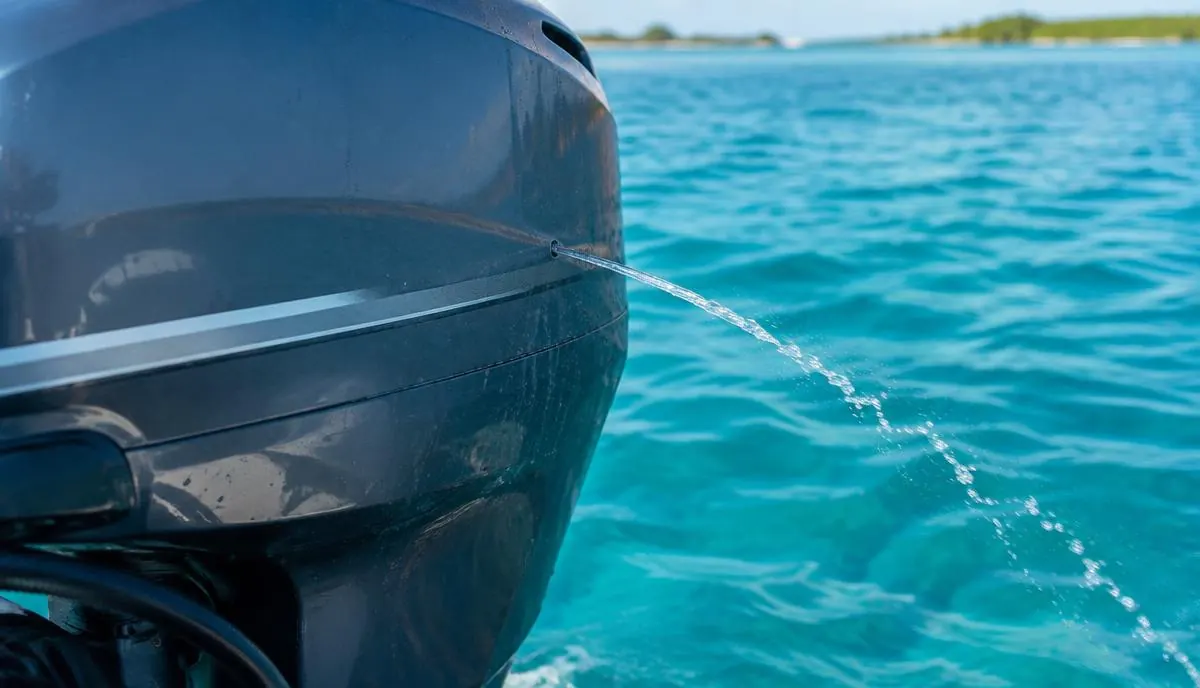
You are halfway across the bay on a hot afternoon when the horn starts sounding and the temperature light comes on. Your heart rate jumps. What you do over the next few minutes matters more than anything else, because an outboard running hot can damage itself quickly. The good news is that many overheat alarms come from simple causes you can check yourself on the water.
Here is a plan to follow, in order, so you can stay calm and make good decisions.
Minute one: throttle down
Bring the engine back to idle right away. Do not shut it off instantly unless you see steam pouring out, smell burning, or hear new mechanical noises. At idle the engine makes far less heat, and the water pump keeps pushing some cooling water through. Many modern outboards also reduce power on their own when they sense overheating, which is a warning, not a fault to fight against.
Check your surroundings before anything else. Make sure you are not drifting into a channel, onto a sandbar, or toward other boats. If you need to, drop anchor. Safety of the people on board comes first.
Minute two: look at the telltale
The telltale is the small stream of water that comes out of the side or back of the cowling. It shows that water is moving through the cooling system. Look at it now.
- A strong, steady stream suggests water is flowing, and the alarm may come from a sensor, thermostat, or a partial blockage.
- A weak, sputtering stream means water flow is reduced.
- No stream at all means either the telltale passage is blocked or the pump is not moving water.
If there is no stream, you can carefully poke a small piece of wire or a zip tie into the telltale outlet with the engine at idle. Salt and small bugs often block this tiny opening. If the stream comes back strong, the telltale was the problem and the cooling system itself may be fine.
Minute three: check the water intake
Tilt the motor up enough to see the lower unit, then shut the engine off before you reach near the prop. Look at the water intake screens on the sides of the gearcase. In our bay waters, it is common to find seagrass, a plastic bag, or a clump of weed covering the intakes, especially after running through shallow flats.
Clear anything you find by hand. Plastic is a frequent culprit because it wraps tightly against the intake and blocks almost all flow. Once the intakes are clear, lower the motor back down.
Minute four: restart and watch closely
Start the engine and let it idle. Watch the telltale and the temperature gauge or alarm. If the stream is strong and the alarm clears after a minute or two at idle, you probably found the problem.
If the alarm continues, the stream stays weak, or you see steam from the exhaust, shut the engine off. Continuing to run it can turn a cooling repair into a powerhead repair.
Minute five: decide how to get home
Your next move depends on what you saw.
- Alarm cleared and strong telltale: idle or run at low speed toward home, watching the temperature the whole way. Avoid running at high speed until the system has been checked.
- Weak stream that improved after clearing debris: run gently at idle speed and keep a close eye on it. Stop if the alarm returns.
- No stream, steam, or alarm that will not clear: do not keep running the engine. Use a kicker motor if you have one, call for a tow, or radio for help.
What not to do
- Do not pour cold water over a hot engine. Sudden temperature changes can crack metal parts.
- Do not keep running at speed hoping the alarm will go away.
- Do not remove the cowling and reach toward moving parts while the engine is running.
- Do not ignore an alarm that cleared on its own. It happened for a reason, and it can happen again further from home.
After you are back at the dock
Even if the problem seemed to resolve, write down what happened: where you were, what the telltale looked like, and what you found in the intakes. That information helps a technician narrow down the cause quickly. Flush the engine with fresh water, and do not take it out again for a long run until you know why it overheated.
An overheat event can come from a worn impeller, a stuck thermostat, salt buildup, or a damaged pump housing. Some of those parts wear without warning signs until they fail.
When to call a pro
Call for service after any overheat alarm that did not clearly come from a blocked intake or telltale, after any time you saw steam, or if the engine runs differently after the event. If your boat sits on a lift or at a slip, we can come to you and check it where it sits. Call (888) 720-9289 and tell us what happened on the water.